
Why Is My Bike Changing Gears by Itself?
- eli nakash
- 2 days ago
- 6 min read

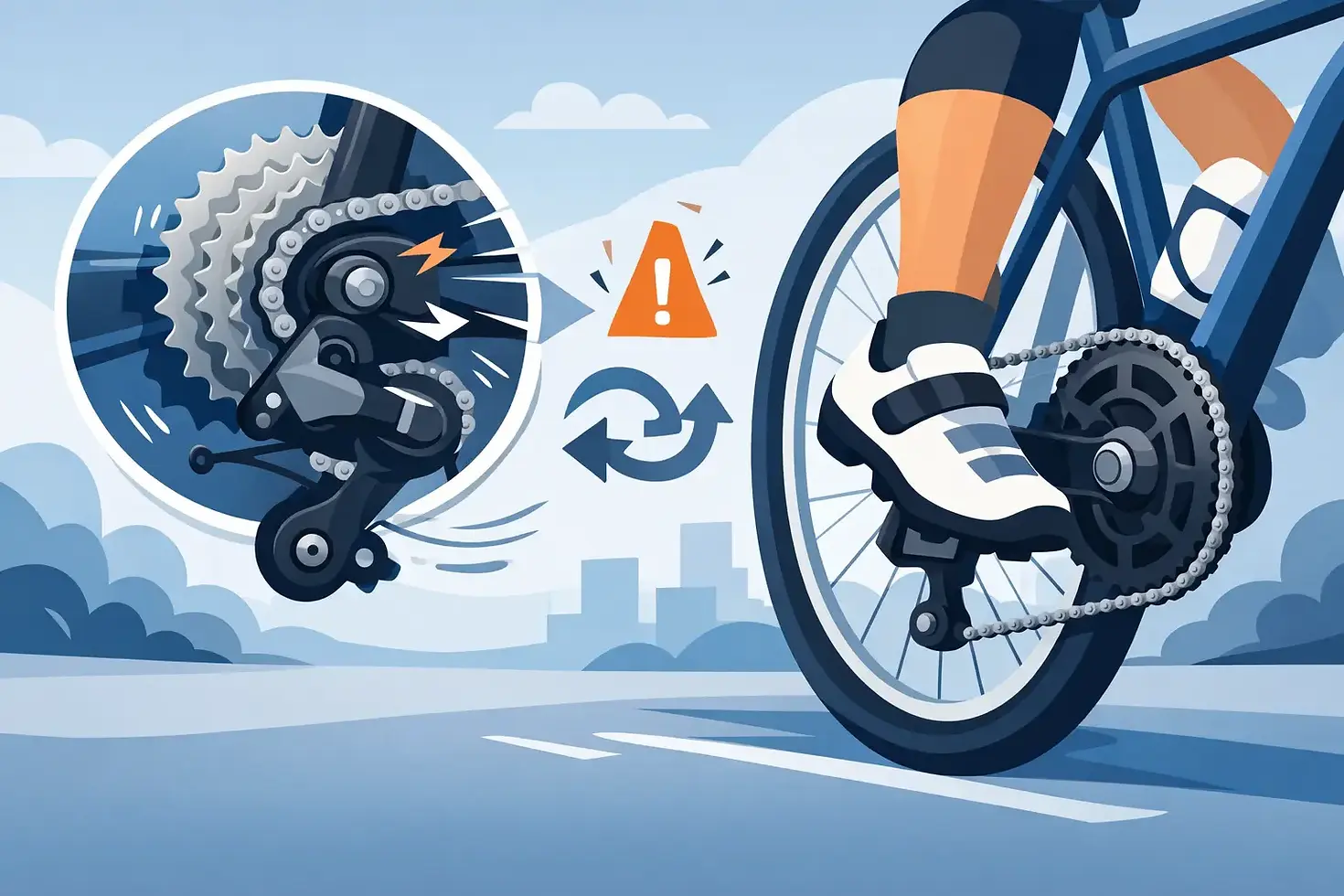
You press steadily on the pedals, hit a small bump, and suddenly the bike clicks into a different gear. If you have been asking, why is my bike changing gears by itself, the short answer is this: something is usually out of adjustment, worn, or moving when it should stay put. In a few cases, though, automatic shifting is actually intentional - and that depends on what system is on your bike.
Most bikes are not supposed to shift on their own. A properly adjusted drivetrain should stay in the gear you selected until you change it. When that stops happening, the cause is often mechanical, not mysterious. The good news is that many of the usual problems are fixable without replacing the whole bike.
Why is my bike changing gears by itself on a regular bike?
On a standard bike with manual shifting, self-shifting usually means the derailleur is no longer lining up cleanly with the cassette or chainrings. That mismatch can make the chain climb or drop to a neighboring gear under load. Riders often describe it as ghost shifting because it feels like the bike made the decision for them.
The most common reason is cable tension. Shift cables stretch over time, housing can compress, and adjusters can drift slightly. A tiny change is enough to make indexing feel off, especially in the middle gears where the spacing feels close. If the bike shifts fine on the repair stand but acts up on the road, cable tension is still one of the first things to check.
A bent derailleur hanger is another frequent cause. This is the small part that holds the rear derailleur in alignment with the gears. It does not take a major crash to bend it. A fall in the driveway, leaning the bike the wrong way, or a knock during transport can do it. Once the hanger is slightly crooked, the derailleur tracks unevenly across the cassette and the bike may jump gears under pressure.
Wear matters too. A stretched chain, worn cassette teeth, or worn chainrings can make the drivetrain skip or move unpredictably. This tends to show up more when you pedal hard. If the bike only changes gears by itself during climbs or fast acceleration, wear is a serious possibility.
The small problems that cause big shifting issues
Not every shifting problem starts with a major component. Sometimes the issue is simple and easy to miss.
A dirty drivetrain can interfere with clean chain movement. Built-up grime around the derailleur pulleys, cassette, or chain can slow the chain's release from one gear and encourage it to move toward another. This usually develops gradually, which is why riders often do not notice it until the shifting feels consistently rough.
Loose hardware can also create erratic behavior. If the derailleur mounting bolt is not secure, or the cable anchor has slipped, the whole setup can shift position just enough to throw off indexing. Limit screws are less often the main reason for random shifting, but if they are badly set, they can contribute to chain movement at the ends of the cassette.
Then there is the shifter itself. Internal wear in a shifter can cause missed holds or weak engagement, especially on older bikes. If the lever feels vague, sticky, or does not return cleanly, the problem may not be at the derailleur at all.
Why is my bike changing gears by itself after a bump?
If the problem shows up mostly after potholes, curb cuts, railroad tracks, or rough pavement, focus on parts that move when they should not. A bump can exaggerate a setup that is already borderline out of tune.
Cable tension is again high on the list, but so is chain stability. On rough surfaces, a worn chain or weak derailleur spring can let the chain bounce enough to try to climb to another cog. Mountain bikes and gravel bikes usually manage this better because many rear derailleurs are designed with stronger chain retention. On older commuter or hybrid setups, bumps can trigger shifting problems more easily.
Check whether the wheel is fully seated in the dropouts too. If the rear wheel is slightly misaligned, gear indexing can change from one ride to the next. That can make the bike feel normal in one moment and unpredictable in the next.
If your bike has automatic shifting, self-shifting may be normal
This is the big exception. If your bike uses an automatic shifting system, changing gears by itself is the feature, not the fault. The system is designed to respond to speed, cadence, or riding conditions and select gears for you.
That said, there is a difference between intentional automatic shifting and shifting that feels wrong. A well-set automatic system should shift at sensible times and feel smooth, not random. If it is changing too early, too late, or more often than you want, the issue may be setup rather than failure.
This is where rider configurability matters. Some systems let you switch between manual and automatic modes, adjust shift behavior, or fine-tune how aggressively the bike reacts to speed changes. That flexibility makes a real difference for commuters, casual riders, and anyone who wants convenience without giving up control. A retrofit option like Autocyc is built around that idea - easier riding, with settings that match the way you actually use your bike.
What to check before you take it to a shop
Start with the basics. Shift through all gears while the bike is supported and listen for hesitation, chatter, or skipping. If one or two gears are consistently problematic, that points more toward indexing. If the issue appears across many gears, look harder at alignment, wear, or a loose part.
Look at the chain and cassette. If the chain is dirty, dry, or visibly worn, clean and inspect it. If the cassette teeth look hooked or uneven, replacement may be due. Drivetrains wear together, so replacing only one worn part can sometimes leave the shifting only partially improved.
Next, inspect the rear derailleur from behind the bike. It should look parallel to the cassette, not tilted inward or outward. A misaligned hanger is common, but it is hard to judge perfectly by eye. If it looks even slightly off, that is worth addressing.
Turn the barrel adjuster in small increments if the bike is close to shifting correctly but not quite there. Small changes matter. If the chain hesitates climbing to a larger rear cog, it may need slightly more cable tension. If it hesitates dropping to a smaller cog, it may need slightly less. This is one of those areas where a quarter turn can be enough.
Also check the derailleur clutch if your bike has one. A clutch that is switched off, weak, or malfunctioning can allow excess chain movement on rough roads. Not every bike has this feature, but when it does, it affects chain control more than many riders realize.
When the issue is wear, adjustment will only get you so far
There is a point where tuning stops solving the problem. If the drivetrain has many miles on it, the chain may no longer mesh cleanly with the cassette. You can improve indexing and still get skipping under power. That is not bad adjustment. That is a worn system asking for replacement parts.
The same goes for old cables and housing. Fresh cable can make a dramatic difference in shift accuracy, especially if the current housing is contaminated, corroded, or creating excess friction. Riders often expect a big mechanical failure, but sometimes the cure is simply restoring smooth cable movement.
When to get professional help
If you have adjusted cable tension, cleaned the drivetrain, and checked for obvious looseness, but the bike still changes gears by itself, it is time for a closer inspection. A shop can measure chain wear, verify hanger alignment, inspect the derailleur and shifter internals, and rule out frame or wheel alignment problems.
This matters even more if the shifting problem started after a crash or transport incident. A bike can look fine and still have alignment issues that no amount of barrel adjustment will fix.
If your bike uses automatic shifting and the behavior feels off, support guidance is just as important. The right answer may be a settings change, a battery check, or a mode adjustment rather than a mechanical repair.
A bike that shifts by itself is not always broken, but it is always telling you something. Sometimes it needs a simple tune-up. Sometimes it needs fresh parts. And sometimes the smartest upgrade is a system designed to take the guesswork out of shifting in the first place.


Comments